

Blog
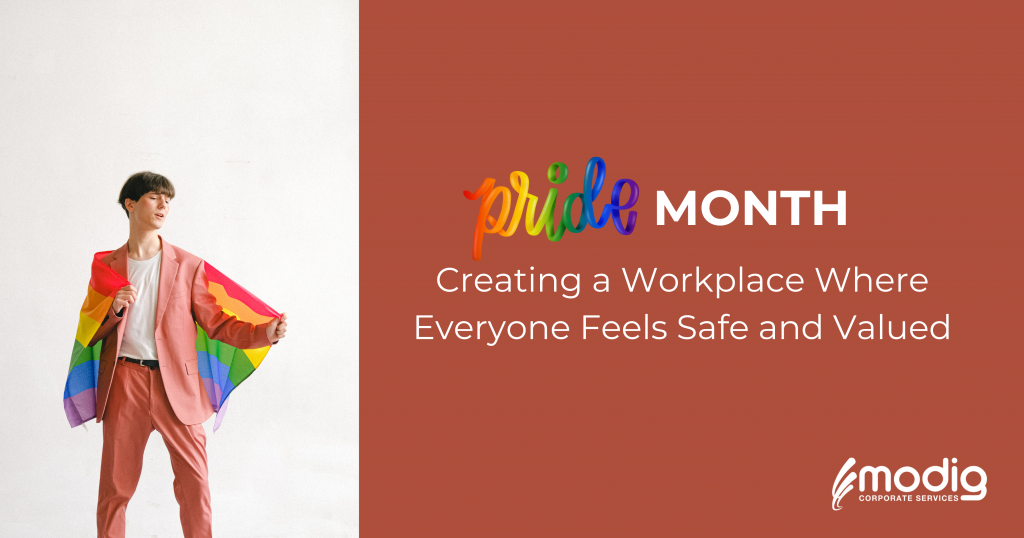
Pride Month: Creating a Workplace Where Everyone Feels Safe and Valued.
Jun
Every June, Pride Month offers organisations an opportunity to reflect, learn, and take meaningful steps toward inclusion. While many workplaces now recognise diversity as a strength, creating an environment where LGBTQ+ employees truly feel safe, respected, and valued requires more than symbolic gestures—it demands sustained commitment and action.
Why Pride Month Matters in the Workplace
Pride Month is rooted in the history of the LGBTQ+ rights movement, commemorating the Stonewall uprising of June 1969. Today, it serves as both a celebration and a call to action. For workplaces, it’s an opportunity to:
- Acknowledge the contributions of LGBTQ+ employees
- Raise awareness about ongoing challenges and inequalities
- Reinforce a culture of respect, authenticity, and belonging
An inclusive workplace isn’t just ethically important—it also drives better outcomes. Employees who feel safe and valued are more engaged, productive, and innovative.
Building a Culture of Inclusion
Creating a supportive workplace goes beyond policies; it’s about shaping everyday experiences.
1. Leadership Commitment
Inclusion starts at the top. Leaders must actively demonstrate their commitment through:
- – Clear public support for LGBTQ+ inclusion
- Participation in Pride initiatives
- Accountability for inclusive behaviours across teams
When leadership sets the tone, it signals that inclusion is a core organisational value—not an optional add-on.
2. Inclusive Policies and Practices
Formal policies play a crucial role in ensuring fairness and protection. These should include:
- Non-discrimination policies explicitly covering sexual orientation and gender identity
- Inclusive benefits (e.g., healthcare coverage for same-sex partners, gender-affirming care)
- Clear procedures for reporting and addressing discrimination or harassment
Policies create the foundation, but they must be consistently enforced and communicated.
3. Education and Awareness
Many people want to be supportive but may lack the knowledge or confidence. Providing ongoing learning opportunities can make a significant difference:
- Workshops on inclusive language and unconscious bias
- Training on allyship and respectful communication
- Resources to help employees understand LGBTQ+ identities and experiences
- Education fosters empathy and reduces the risk of unintentional harm.
Creating Everyday Inclusion
Beyond policies and training, inclusion is built through daily interactions and behaviours.
4. Encourage Authenticity
Employees should feel comfortable being themselves at work. This can be supported by:
- Normalising the sharing of pronouns (e.g., in email signatures or meetings)
- Avoiding assumptions about relationships or identities
- Respecting names and identities consistently
When people don’t have to hide who they are, they can bring their full energy and creativity to their work.
5. Support Employee Resource Groups (ERGs)
LGBTQ+ employee networks or ERGs provide safe spaces for connection and advocacy. Organisations can:
- Provide funding and executive sponsorship
- Involve ERGs in policy development and decision-making
- Recognise their contributions as valuable organisational input
ERGs often play a vital role in shaping inclusive culture from within.
6. Address Microaggressions and Bias
Small actions—intentional or not—can have a big impact over time. Organisations should:
- Encourage open dialogue and feedback
- Equip managers to handle sensitive conversations effectively
- Act quickly when issues are raised
A culture of respect is reinforced when concerns are taken seriously.
Making Pride Month Meaningful
While year-round inclusion is essential, Pride Month can serve as a catalyst for change when approached thoughtfully.
Ideas for Engagement
- Host panel discussions or guest speakers from the LGBTQ+ community
- Share stories and experiences from employees (with consent)
- Partner with LGBTQ+ charities or community organisations
- Review policies and identify areas for improvement
Avoid “rainbow washing”—symbolic actions without substance. Employees quickly recognise the difference between genuine commitment and surface-level efforts.
Measuring Progress
Creating an inclusive workplace is an ongoing journey. Organisations should:
- Gather anonymous employee feedback through surveys
- Track diversity and inclusion metrics responsibly
- Regularly review policies and practices
- Set measurable goals and report on progress
Transparency builds trust and ensures accountability.
Conclusion
Pride Month is more than a celebration—it’s a reminder that inclusion requires continuous effort. By committing to inclusive leadership, supportive policies, education, and everyday respect, organisations can create workplaces where everyone feels safe, valued, and empowered to thrive.
When people feel they belong, organisations don’t just become more inclusive, they become stronger, more innovative, and more human.
by Paul Slemon.