

Blog
Rare Disease Day: Inclusion Is a Safety Issue
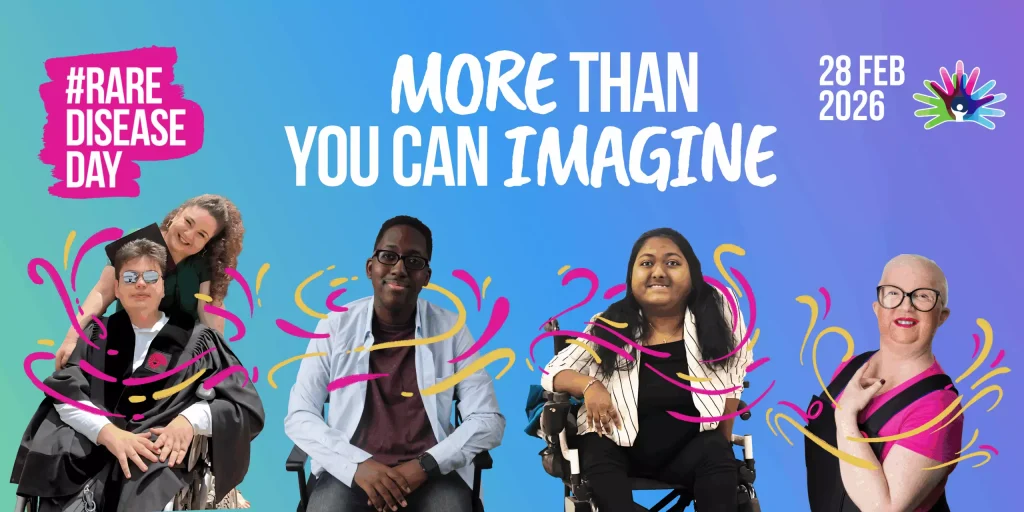
Feb
On Rare Disease Day, we’re reminded that over 300 million people worldwide are living with a rare disease.
Each condition may be rare, collectively, they are not.
Behind every statistic are employees, colleagues, managers, parents, caregivers, people navigating fatigue, chronic pain, immune challenges, mobility limitations, or complex treatment schedules.
And that makes inclusion more than an HR initiative. It’s a workplace health and safety issue.
In regulated, high-performance environments, systems are built for consistency, control, and risk reduction. But if those systems are too rigid, they can unintentionally exclude talented individuals managing long-term health conditions.
Inclusive workplace policies are not about lowering standards, they are about designing systems that manage risk intelligently.
That includes:
- Flexible work design where possible
- Structured and confidential medical accommodation pathways
- Risk-based role adjustments
- Recognition of psychosocial stressors
- Leadership capability in supportive conversations
Strong safety cultures protect people. All people.
On Rare Disease Day, it’s worth asking:
Do our policies reflect the reality that health diversity exists within every workforce?
Because when inclusion is embedded into safety systems, resilience improves — and so does performance.
#RareDiseaseDay #InclusionAtWork #WorkplaceSafety #HealthAndSafety #SafetyCulture #WellbeingAtWork #InclusiveWorkplaces
– by Emma Kelly, Modig Corporate Services Ltd.